Web platform «ABBA»
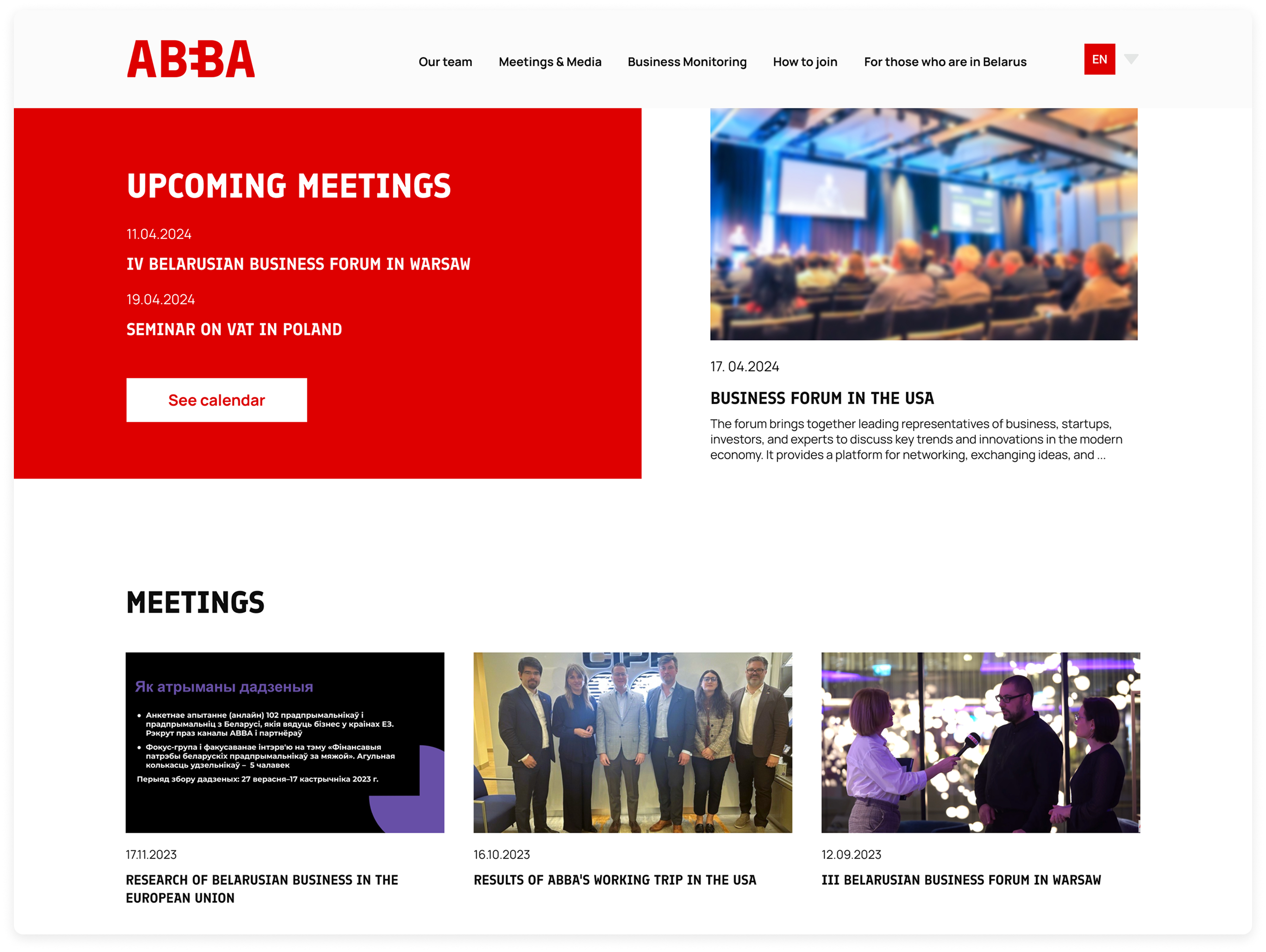
Web platform
Role
Independent Designer
Timeline
~5 weeks
About the project
I worked independently as the project’s designer — analyzed the old landing page, discussed client needs, learned about their audience, and proposed a new solution.
Problem & Goals
Challenges
- •No clear list or explanation of services.
- •Event info was spread across social media.
- •Lack of structure limited user understanding.
- •Needed to build trust and show value.
Goals
- •Create a structured website with clear service info.
- •Bring event updates into one place.
- •Attract more clients by improving communication.
Research & Insights
To better understand the company’s and users’ needs, I audited the existing website and discussed goals with the internal team.
What I did
- •Analyzed the old landing page.
- •Met with the founders.
- •Discussed clients and their needs.
- •Reviewed social media content.
- •Held 2 interviews with active clients.
Key insights
- •Users didn’t understand the full list of services.
- •Same questions were asked repeatedly.
- •The company wanted to appear more professional.
- •Social media content didn’t align with the website.
- •Clients valued transparency and wanted more details.
Approach & Process
Below, I outline the project priorities that shaped the direction, followed by the co-creation journey of aligning the design with the team.
Switched to a multi-page site
The company needed to present diverse information (services, events, joining instructions, team, etc.) that couldn’t fit into a single scrollable layout without compromising clarity.
Flexible structure
The structure and elements are designed with reusability and the ability to independently add new content, allowing for future expansions and ease of use.
Focus on core functionality
The main user flows and important pages are developed first to ensure a successful launch. Additional ideas are considered during the structural planning, making it easy to add new sections in the future.
Focus shift
The team had many future-oriented ideas (“we might offer this”, “we’re planning to add that”), which constantly pulled attention away from building a clear MVP based on current needs.
Focus on Core Content
I kept the focus on the core content and proposed two pages with optional extended functionality — giving space for future development without overloading the first release.
Conflicting opinions
Each team member suggested micro changes, while the founders had a different vision altogether. This made alignment difficult and slowed down decisions.
Grounded Design Decisions
I based my design decisions on logic and examples, explaining the reasoning and impact. I reminded the team we’re designing for users, not internal preferences, which helped reframe discussions.
Slow feedback
Everyone joined the meetings, but when follow-ups were needed — text content, confirmations, or small decisions — there was often no clear owner, and I was passed from one person to another.
Clear Communication
I wrote clear, detailed requests, tagged the team, and flagged urgent inputs with reasons. Since feedback delays persisted, I started planning ahead and clarifying more early on.
Solution
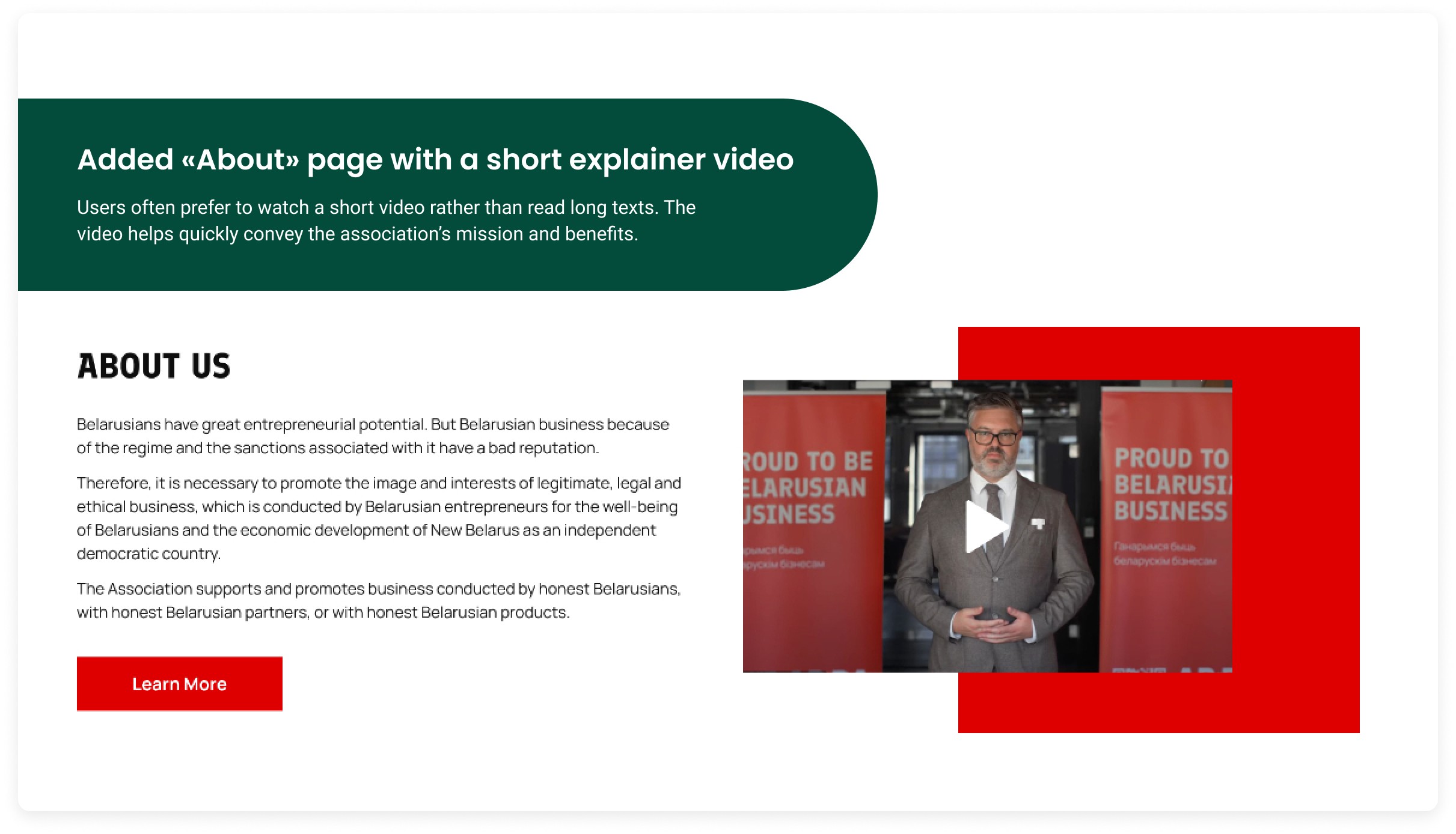
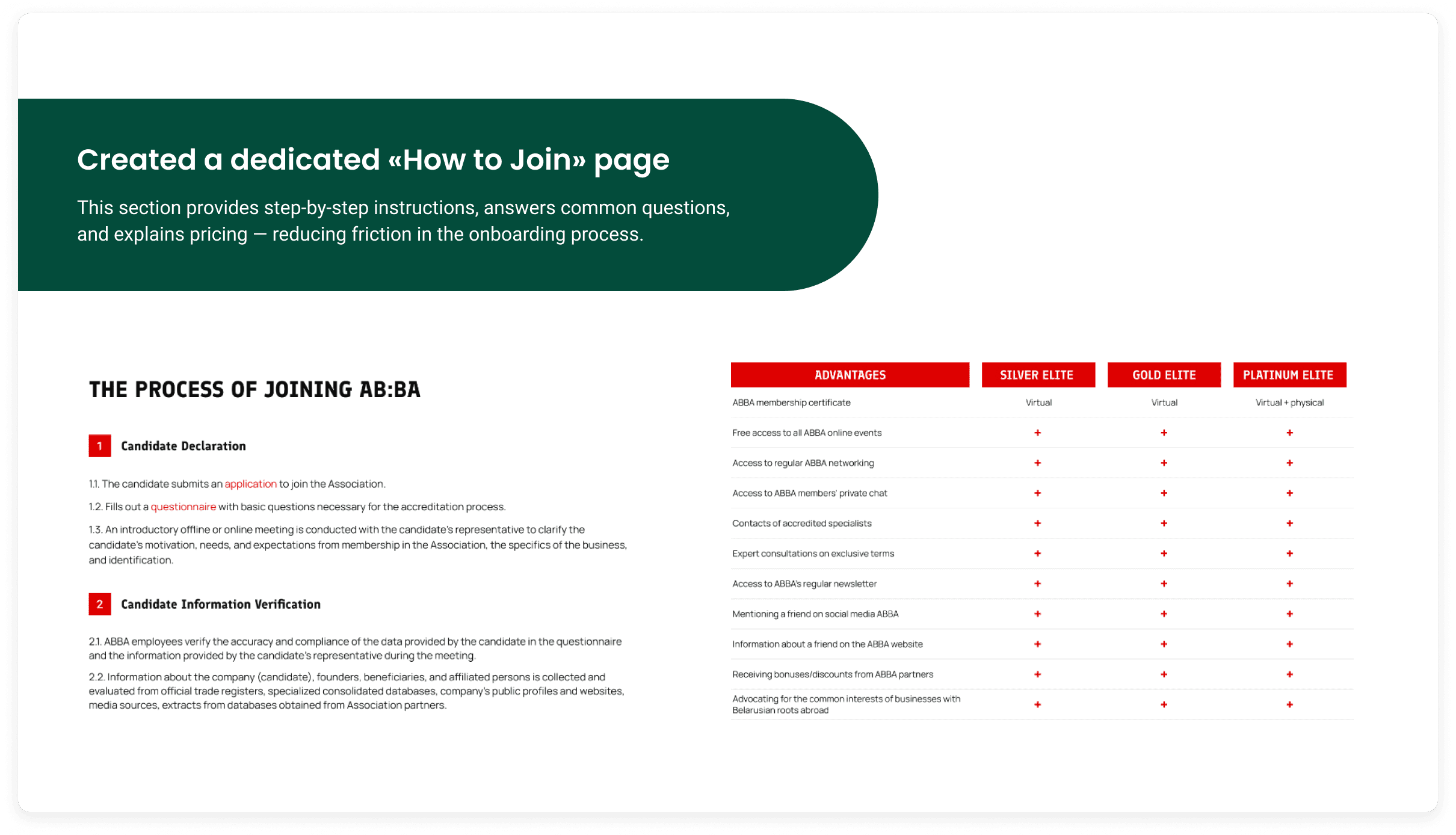
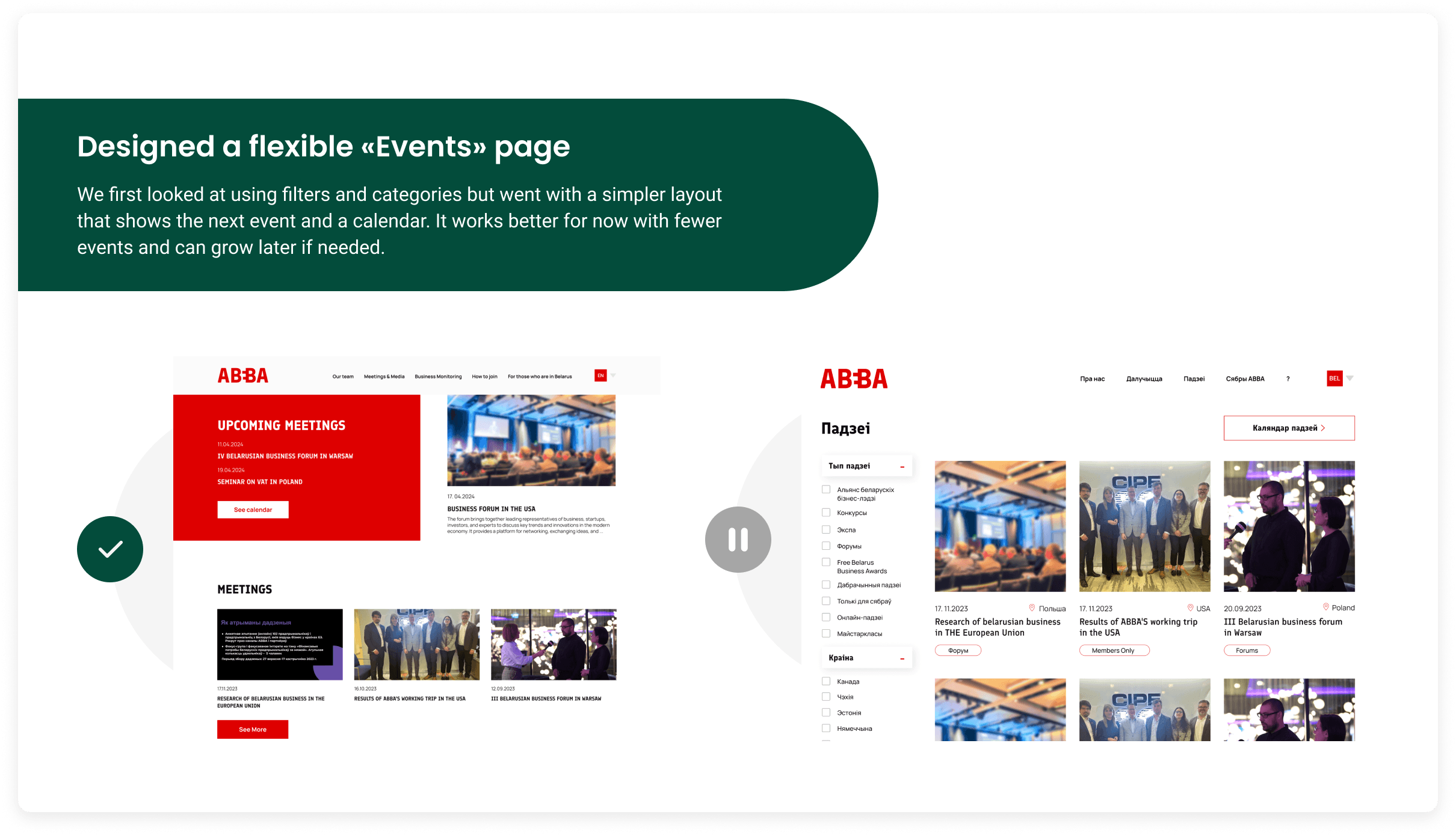
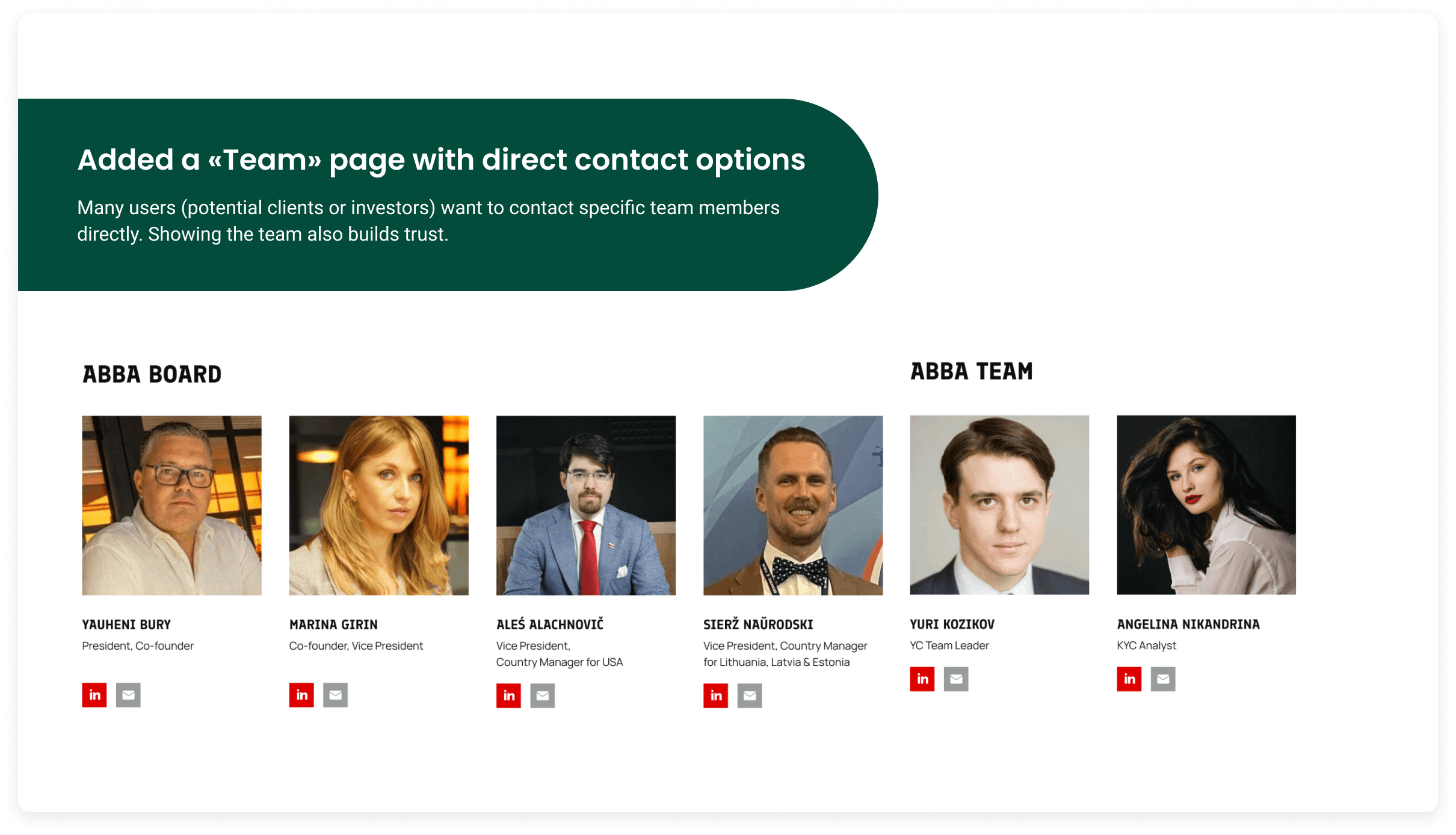
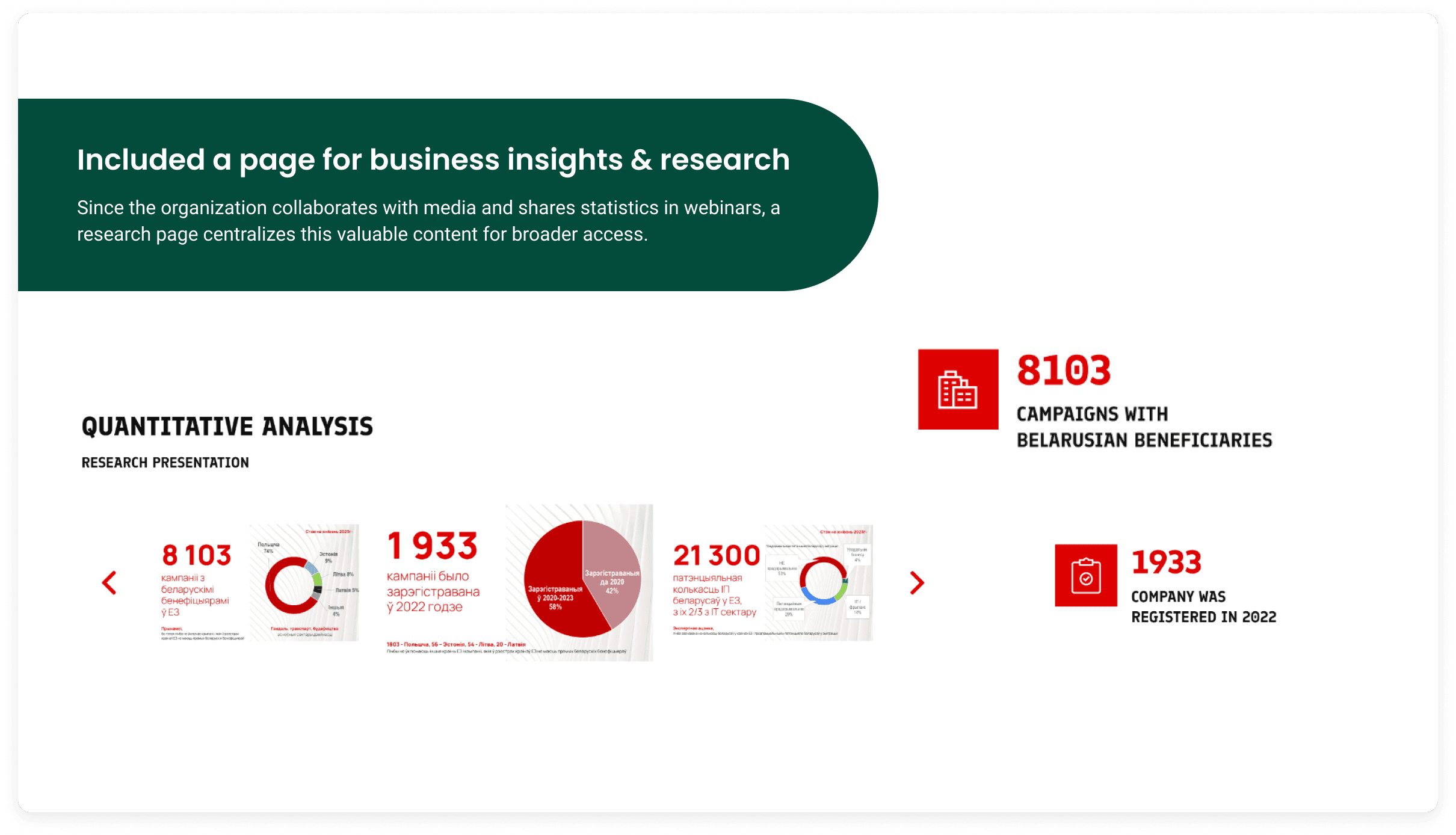
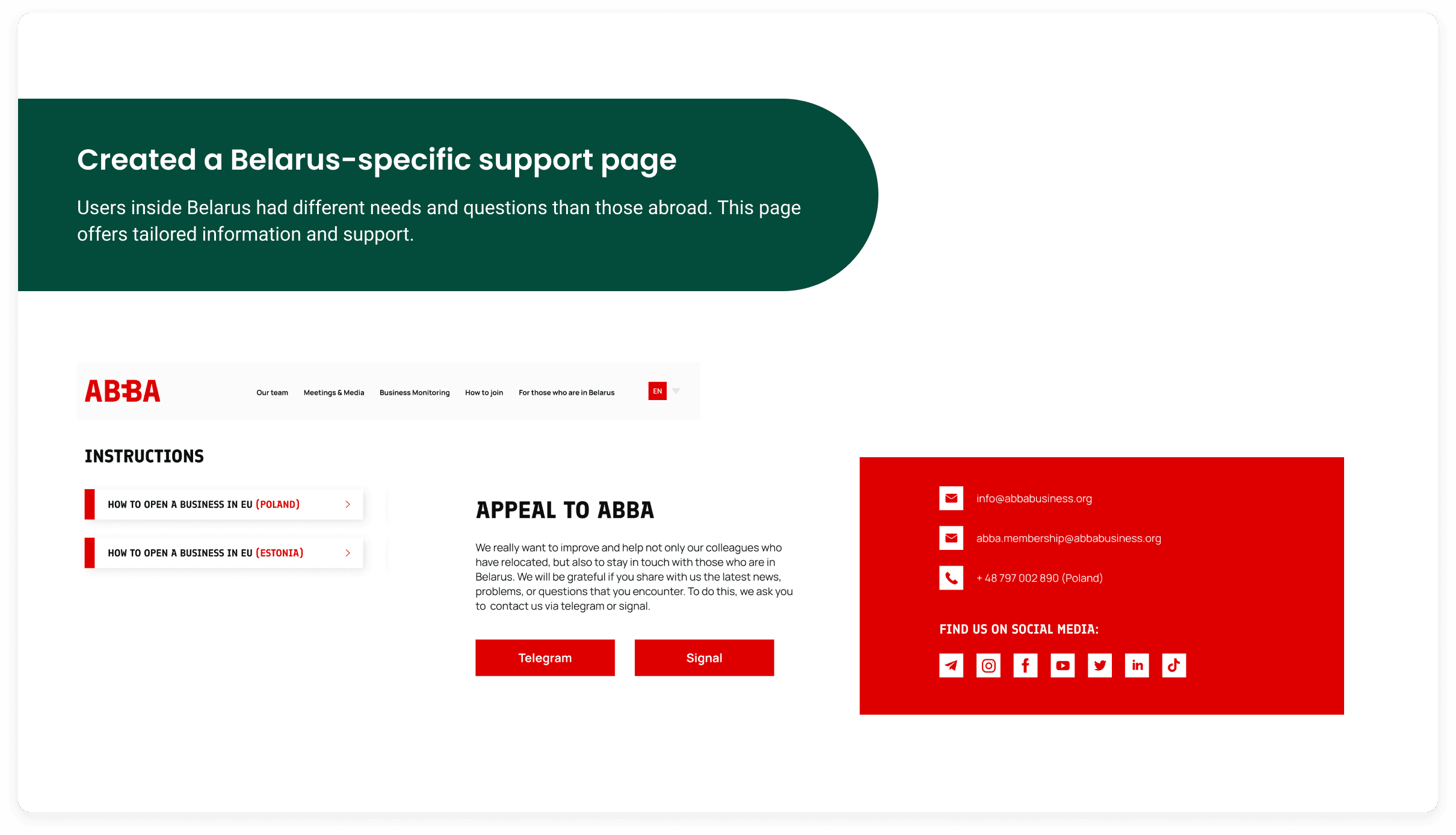
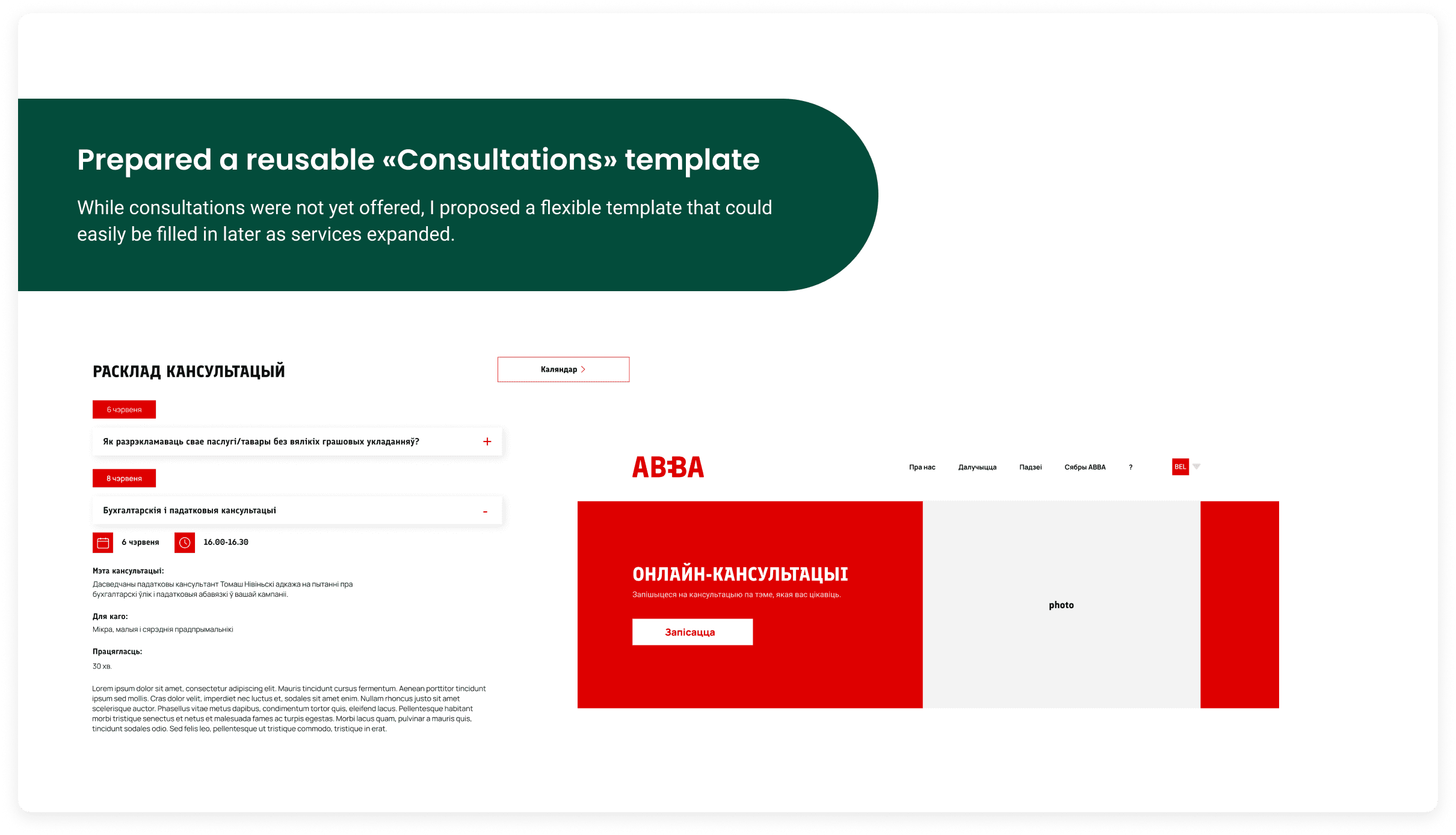
Outcome & Impact
Although the approved design didn’t go live as-is, the stakeholders expressed gratitude for the clarity and depth of the proposed solution.
Due to development challenges on their end, the team eventually decided to work with a full-cycle web agency.
The final version of the website was implemented by another team, but the foundation was based on my design. It set the visual and content direction and helped the team define the focus for future iterations.
Reflection
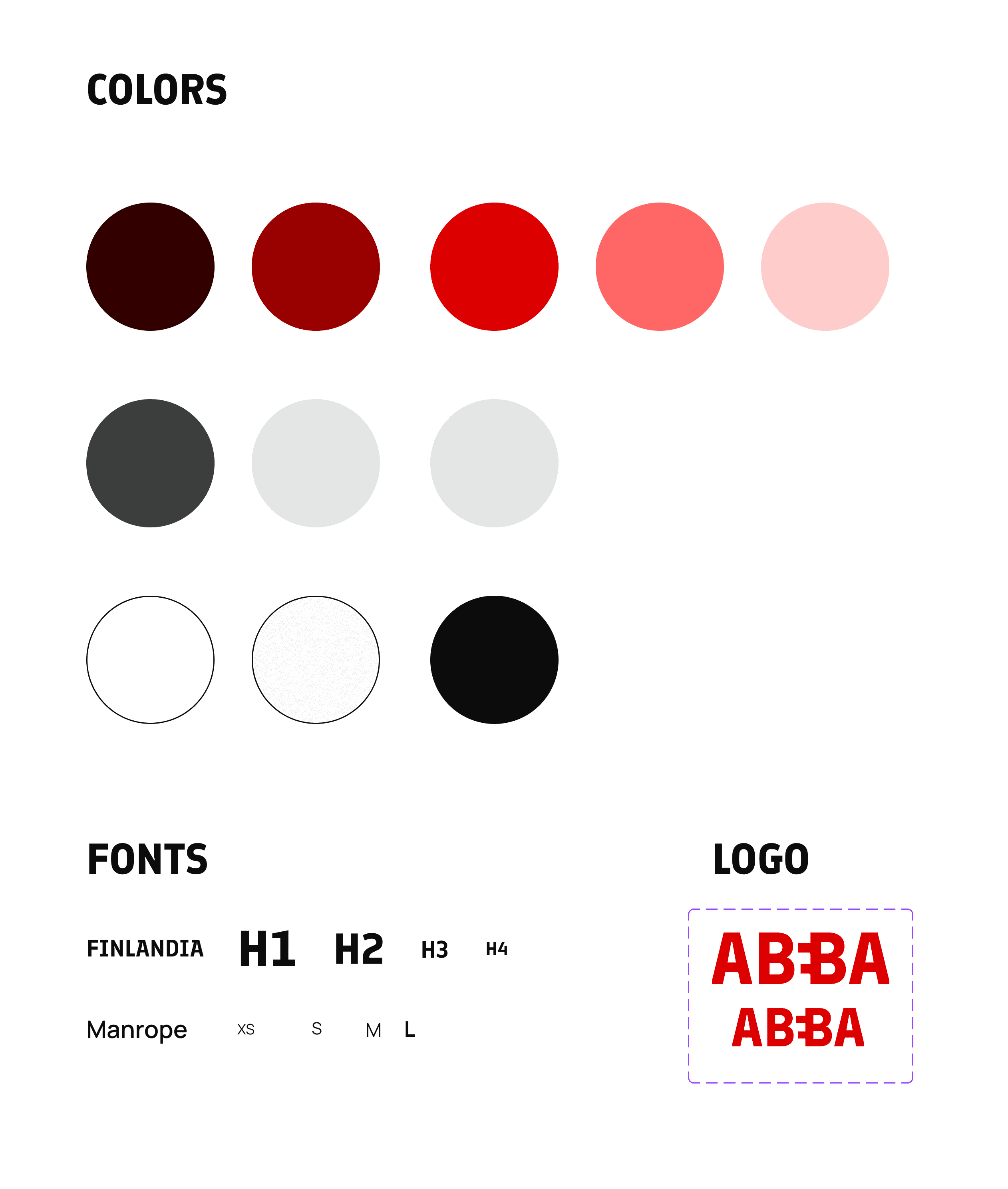
Design System
A small design system was created to improve developers' understanding of the project and simplify future changes.
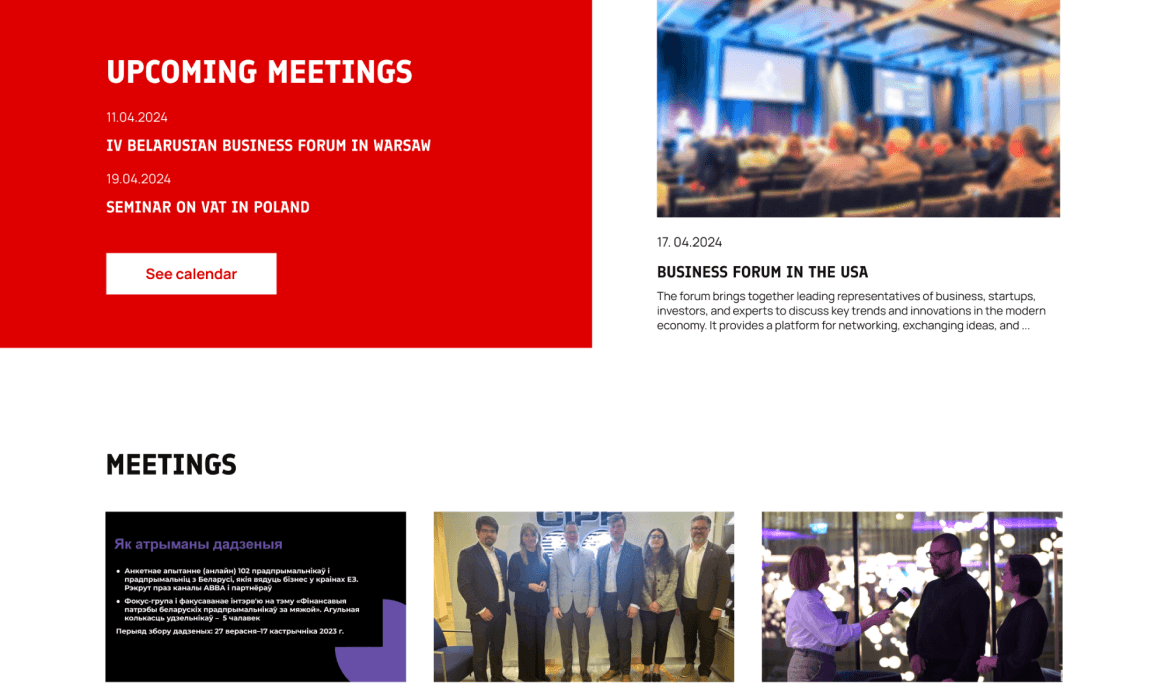
Templates
Templates used in the project can be adapted for other projects within the company.
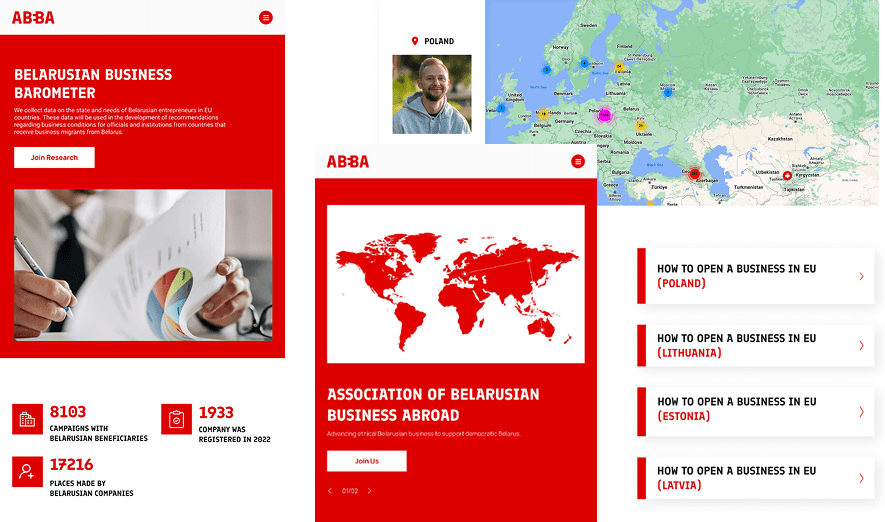
Flexibility of Solutions
The project highlighted the importance of incorporating flexibility into project solutions, enabling them to scale and adapt to changing requirements in the future.
Next project
Woodland Cards